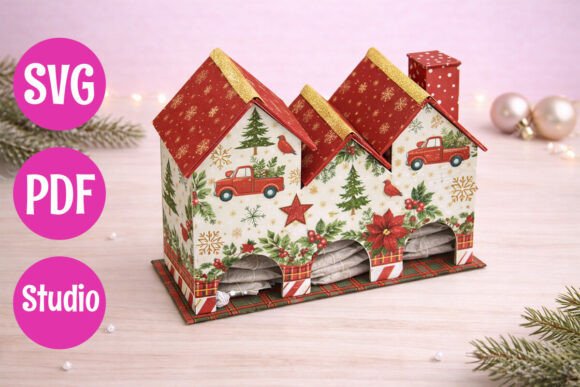
Cardboard Tea Storage House: A 3D SVG Christmas Asset
As a brand designer and content marketer, I am constantly sifting through the noise of the creative marketplace to find assets that offer genuine structural value rather than just decorative fluff. When I first encountered the Cardboard Tea Storage House, my initial reaction was one of intrigue regarding its potential for tactile branding. In an era where digital fatigue is real, bringing a sense of physical texture and warmth to our marketing visuals is crucial. This graphic design asset immediately establishes a mood of cozy nostalgia and artisanal craftsmanship. It feels less like a generic clipart illustration and more like a blueprint for a tangible experience, which is exactly the kind of emotional hook needed for effective content marketing.
The aesthetic of the Cardboard Tea Storage House leans heavily into the "handmade" and "sustainable" vibes that are currently dominating small business branding. The visual language suggests brown kraft textures, folded edges, and a structural integrity that implies quality. For a brand owner, this translates to immediate audience perception: your product is cared for, organic, and premium without being ostentatious. Whether you are promoting a seasonal offer or refreshing your social media visuals, this asset brings a specific emotional tone that resonates with consumers looking for authenticity. It is particularly potent for lifestyle content, event promotions, and editorial graphics where the story behind the product is just as important as the product itself.
Integrating Structural Design into Real Campaign Workflows
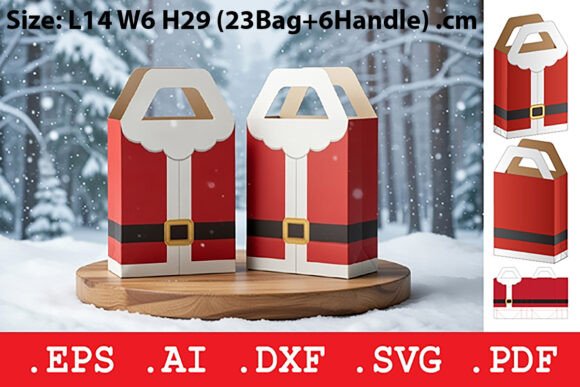
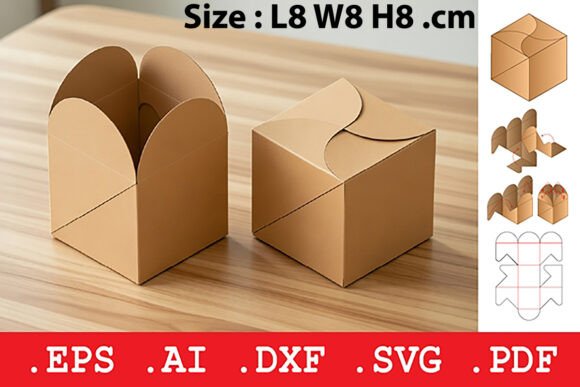
To understand the true utility of this digital product, let's frame it within a real-world marketing project. Imagine a small business launching a limited-edition winter tea blend. The goal is to create a cohesive content kit that spans from Instagram posts to physical packaging inserts. Here, the Cardboard Tea Storage House serves as the central visual anchor. Because it is available as a 3D SVG, it offers unparalleled flexibility. Unlike a flat PNG, the vector nature allows us to manipulate the perspective, recolor the elements to match specific brand guidelines, and scale it infinitely without losing crispness.
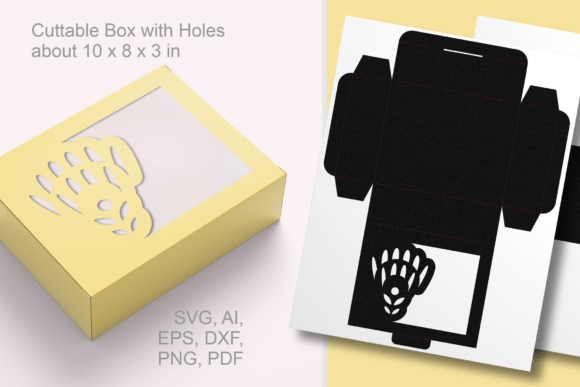
In terms of brand identity and logo design, this asset can be deconstructed. You might use the silhouette of the "house" structure as a subtle watermark on product labels or as a pattern background for website headers. For packaging design, the template aspect mentioned in its original description—optimized for pressed cardboard and structural use—suggests it can actually be fabricated. This bridges the gap between digital ads and physical unboxing experiences. When a customer receives a package that mirrors the digital ads they saw on Facebook or Pinterest, you reinforce audience trust and create a memorable campaign visual.
The versatility extends to various formats. For social media graphics, the asset works beautifully as a hero image for a product launch. On Pinterest, where vertical, detail-oriented images perform best, you can create a step-by-step graphic showing how the tea storage house is assembled, driving traffic to a blog post or lead magnet. For digital ads, the clean lines ensure that the message remains clear even at smaller sizes. However, it is not just for teas; the concept of a "storage house" can be metaphorically applied to organizing digital products, making it a unique angle for online coaches or product creators selling organizational templates.
Strategic Applications for Visual Hierarchy and Engagement
The primary marketing goal of any design bundle should be to improve communication efficiency. The Cardboard Tea Storage House supports this by providing a strong visual hierarchy. Its distinct shape draws the eye immediately, acting as a focal point in crowded feeds. This leads to a stronger first impression and better engagement rates. When used in email banners or media kits, it signals professional branding while maintaining a approachable, human touch. The emotional connection fostered by such warm, structural imagery often results in higher conversion rates compared to sterile, corporate photography.
This asset shines brightest in specific contexts. It is ideal for hero graphics on landing pages, campaign headers for holiday sales, and branded templates for Canva users who need a quick but high-quality element. It acts as a perfect decorative brand element for merchandise like stickers or tote bags. If you are creating a design bundle for other creators, including this as a bonus item adds significant perceived value. The association with Christmas is natural given the cozy, gift-like appearance of the structure, making it a powerhouse for Q4 marketing strategies without feeling overly cliché if styled correctly.
Critical Considerations and Designer Notes
However, no design asset is a one-size-fits-all solution. There are scenarios where the Cardboard Tea Storage House should be used with caution. In formal corporate branding where sleek, minimal aesthetics are required, the textured, craft-heavy look might clash with the desired image of high-tech efficiency. Similarly, in dense information layouts or text-heavy ads, the intricate details of the 3D structure could compete with the main message, causing visual clutter. It is also vital to test its legibility on small mobile graphics; complex vector paths can sometimes lose definition on low-resolution screens if not optimized properly.
From a practical brand designer's perspective, here are essential steps before deploying this asset in a paid campaign or client work:
- Color Palette Testing: Do not rely solely on the default colors. Test the SVG against your specific brand palette to ensure harmony. Does the "cardboard" tone complement your primary brand color, or does it make the design look muddy?
- Monochrome Viability: Check how the design performs in black and white. A strong graphic design asset must hold its form even without color, which is crucial for faxed documents, newspaper ads, or single-color merchandise.
- Typography Pairing: Experiment with different font styles. This structure pairs exceptionally well with serif fonts for an editorial look, handwritten fonts for a personal touch, and bold sans-serif fonts for a modern contrast. Avoid overly decorative script fonts that might get lost against the detailed background.
- Spacing and Balance: Ensure there is enough negative space around the asset. Crowding it with other elements diminishes its structural impact.
- Licensing Verification: Always confirm the commercial license details. Since this is intended for commercial design and potentially for resale in certain contexts (like printed merchandise), understanding the rights regarding the 3D SVG file is non-negotiable.
Ultimately, the Cardboard Tea Storage House is more than just a festive illustration; it is a strategic tool for professional branding. It allows marketers and designers to inject a sense of warmth and structural intelligence into their campaigns. By leveraging its SVG design capabilities, you can create a cohesive narrative across digital and physical touchpoints. Whether you are a digital seller looking to enhance your product mockups or a small business owner aiming to stand out during the holiday rush, this asset provides the foundation for a sophisticated, emotionally resonant visual strategy. It proves that even in a digital-first world, the allure of something that feels built, folded, and real remains a powerful driver of consumer interest.