Review: Multilayer Daisy Svg for Real Embroidery Projects
When I first opened the folder containing the Multilayer Daisy Svg Layered Flower Svg, my immediate reaction wasn't just about the cut lines or the vector paths. As someone who spends half their life translating digital files into thread, I was looking at potential. I was asking myself: "How will this translate when the needle hits the fabric?" This isn't just a file for paper crafters; for us in the embroidery world, a well-structured layered SVG is often the blueprint for a stunning appliqué design or a complex multi-hoop project. The mood here is cheerful, rustic, and undeniably spring-like. It carries that handmade warmth that customers crave in boutique products, making it a strong candidate for anything from nursery decor to personalized apparel.
Visual Personality and Design Layout
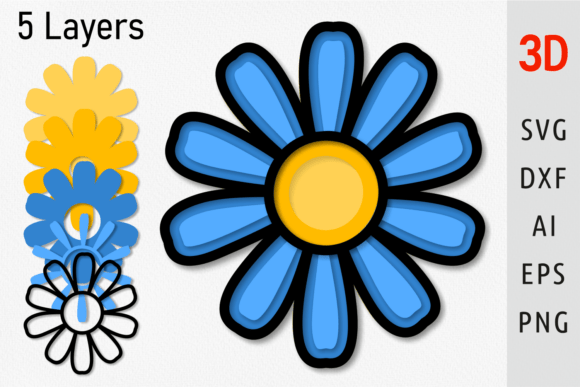
The shape and layout of this daisy are classic but elevated by the layering. Unlike a flat, single-color silhouette, the five distinct layers suggest depth. In a digital context, this creates a 3D effect perfect for Paper Flowers, but in embroidery, it screams "dimensional appliqué." The petals have a gentle curve that avoids looking too rigid or computer-generated, which is crucial for maintaining a human touch in a handmade product. The detail level is moderate; it's not so intricate that it will cause registration nightmares on a home machine, but it has enough definition to look professional rather than amateurish. Visually, it feels friendly and approachable, fitting seamlessly into brands that focus on comfort, nature, and family.
Real-World Application: The Custom Tote Bag Scenario
To truly test the viability of this embroidery file, I imagined a specific client request: a custom embroidered tote bag for a local farmer's market vendor. She wanted something that looked high-end but could withstand the wear and tear of carrying produce. Here is where the Multilayer Daisy Svg Layered Flower Svg shines. By using the layers as a guide for an appliqué technique, I could stitch a base layer of cream linen, followed by progressively smaller layers of yellow and white cotton.
This approach transforms the digital asset into a tactile finished product. The customer isn't just buying a bag; they are buying a piece of art. The layered nature of the design allows for texture play—perhaps using a slightly nubbier fabric for the outer petals and a smooth satin for the center. In a real-life scenario, this adds perceived value. A client seeing those distinct layers stitched down with a neat satin stitch border understands immediately why this costs more than a screen-printed logo. It builds trust and reinforces the quality of the small shop product.
Performance Across Different Fabrics and Items
Versatility is key for any craft business. I evaluated how this design would perform across various mediums. For sweatshirt embroidery, the bold shapes of the daisy hold up well against the fuzz of fleece or French terry. The lack of tiny, isolated details means you won't lose definition even on textured fabrics. However, if you are aiming for baby embroidery on a delicate onesie, you must be cautious. While the shape is cute, the cumulative bulk of five layers plus stabilizer might be too heavy for a newborn's sensitive skin. In that case, I would recommend simplifying the file, perhaps using only two layers to reduce thickness while keeping the aesthetic.
For custom apparel like t-shirts, this design works beautifully as a chest pocket accent or a large back print. On caps and hats, the curved surface presents a challenge. You would need to ensure your digitizing software (if converting this SVG to a stitch file) accounts for the push and pull of the fabric. A dense fill stitch in the center could cause distortion on a structured cap, so a lighter density or an open running stitch for internal details might be smarter. For home goods like pillow covers or tea towels, the design acts as a fantastic focal point, especially when paired with contrasting thread colors that pop against neutral linens.
Critical Considerations for Stitching Success
While the Multilayer Daisy Svg Layered Flower Svg is promising, there are areas where a designer must exercise caution. First, consider the hoop size. If the full five-layer arrangement is large, it may not fit in a standard 4x4 hoop, requiring a re-hoop or a larger machine frame. Always check the dimensions before committing to a project. Second, think about stitch density. If you are digitizing this from the SVG, stacking five layers of fabric and thread in one spot can create a "bird's nest" on the underside or cause the top threads to break. You may need to trim away excess fabric between layers (the "cut-away" method) to keep the final embroidered patch flexible and flat.
Dark fabrics present another consideration. If stitching on navy or black, ensure your underlay stitches are sufficient to prevent the background fabric from peeking through the lighter petal colors. Conversely, on light fabrics, use a topping if you are working with fluffy towels to prevent the stitches from sinking in. Also, remember that this is originally marketed as a 3D SVG for cutting machines. If you are using it strictly for embroidery, you are essentially using it as a template. Ensure you have the right license to modify it for stitch purposes, especially if you are an Etsy seller planning to sell the physical goods.
Enhancing Brand Value and Customer Engagement
In the competitive landscape of online selling, presentation is everything. Using a distinctive design like this helps establish brand consistency. If your shop specializes in floral motifs, this daisy becomes part of your visual identity. It affects buyer engagement because it looks intentional and designed, not like a generic clip-art dump. When customers see a cohesive collection of items featuring this specific layered style, they perceive higher professionalism. It turns a simple personalized gift into a collectible item. Furthermore, for those creating printable mockups to showcase their services, the clean lines of this SVG make for excellent digital previews, helping customers visualize the final result before they even place an order.
Practical Designer Notes for Execution
Before you commit this design to a client's garment, follow these practical steps to ensure success:
- Test on Scrap Fabric: Always stitch out a sample on the exact same fabric weight and type you plan to use for the final product. This reveals issues with tension or density early.
- Check Thread Contrast: Experiment with monochromatic schemes versus high-contrast palettes. Sometimes a tonal look is more elegant for adult apparel, while bright contrasts suit children's items.
- Review Stabilizer Needs: Given the potential layering, a cut-away stabilizer is likely better than tear-away to support the weight of the design over time, especially for items that will be washed frequently.
- Inspect Small Details: Look closely at the points where petals meet. Ensure your digitizing doesn't create overlapping jumps that could snag or look messy.
- Verify Licensing: Since this is a digital download intended for cutting software like Cricut or Silhouette, double-check the creator's terms regarding commercial embroidery use. Some licenses restrict converting cut files into stitch files for resale.
- Mockup in Black and White: Convert your digital preview to grayscale to check if the design holds its shape without relying on color. If it falls apart in black and white, the structure needs work.
Ultimately, the Multilayer Daisy Svg Layered Flower Svg is a versatile asset that bridges the gap between digital crafting and textile art. With thoughtful adaptation and careful attention to materials, it can elevate a standard embroidery project into a standout piece of commercial art. Whether you are decorating a holiday gift, branding a boutique line, or creating a unique tote bag design, this flower offers the structural integrity and visual charm needed to succeed in the handmade market.