Review: Multilayer Heart Valentine Card SVG1924 for Crafters
As a designer who spends more time staring at stitch maps than most people spend looking at their phones, I approach every new digital embroidery file with a mix of excitement and skepticism. We've all been there: you buy a design based on a glossy thumbnail, only to find the stitch density is a nightmare or the details vanish on textured fabric. That's why I took a close look at the Multilayer Heart Valentine Card SVG1924 before committing it to any client projects or small shop products. This isn't just about whether it looks cute; it's about whether it holds up as a professional machine embroidery design in the real world.
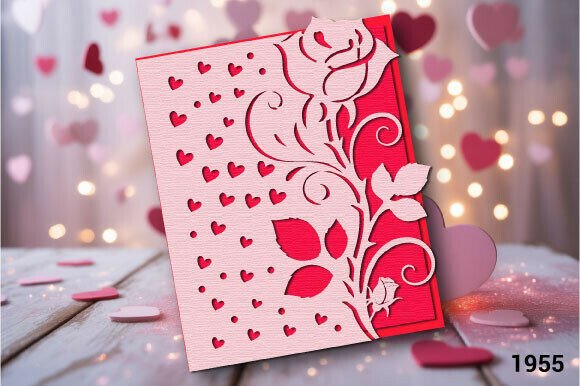
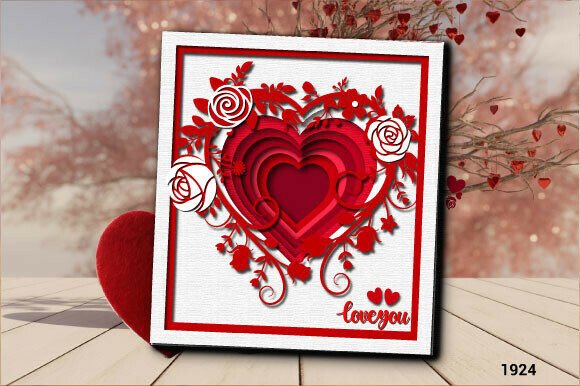
The first thing that strikes me about this design is its mood. It doesn't scream; it whispers romance. The concept of a "ten-layered greeting card" translated into an embroidery context suggests depth and intricacy. Visually, the floral swirl paper cut aesthetic creates a sense of movement that static hearts often lack. For Valentine S Day collections, this is a strong contender because it moves beyond the generic red heart silhouette. It feels like something you'd find in a high-end boutique rather than a discount bin. However, translating a paper-cut aesthetic into thread requires careful consideration of how light and shadow play across the stitches.
Real-World Application: The Boutique Tote Scenario
To truly test the viability of Multilayer Heart Valentine Card SVG1924, I imagined a specific real-life scenario: creating a limited run of custom tote bags for a local florist's Valentine's promotion. The goal was a handmade product that felt luxurious but could withstand the rigors of carrying flowers and gifts.
In this context, the design shines as a focal point. On a canvas tote, the floral swirls provide enough organic shape to break up the rigid weave of the fabric. If I were stitching this as an applique design, layering different shades of pink and red satin stitches would mimic the layered paper effect described in the product details. The result would be a finished product that customers perceive as high-value. It's not just a bag; it's a statement piece. For an Etsy seller, this kind of visual complexity justifies a higher price point because it clearly demonstrates skill and effort, distinguishing your craft business from those selling mass-produced items.
Beyond totes, I can see this working beautifully on sweatshirt embroidery. The softness of fleece or French terry pairs well with the romantic theme. However, one must be cautious. A ten-layer concept implies significant build-up. On a thick sweatshirt, this adds a nice tactile dimension, almost like a 3D SVG come to life. But on thinner materials, like a standard cotton t-shirt, that same buildup could cause puckering or make the garment uncomfortable to wear against the skin. This is where the designer's eye for fabric texture becomes critical.
Navigating Technical Challenges and Fabric Choices
While the aesthetic appeal is undeniable, practical execution requires vigilance. The intricate nature of the floral swirls means there are likely tight corners and potentially small details that demand precision. When working with stretchy fabric, such as jersey knits for baby clothes or caps, the risk of distortion is real. A design this detailed needs robust stabilization. I would strongly advise using a cut-away stabilizer rather than tear-away for this project to ensure the stitch density doesn't pull the fabric out of shape over time.
There are also considerations regarding hoop size. Although specific dimensions aren't provided in the base description, complex multi-layer designs often require a larger hoop to accommodate the full span of the swirls without needing to re-hoop, which can lead to registration errors. If you are planning to use this on curved surfaces like caps, you need to verify if the design fits within a cap frame and if the underlay is sufficient to prevent the stitches from sinking into the twill.
Color selection is another area where this design demands attention. The interplay of thread colors will define the "layers." Using monochromatic threads (various shades of one color) can create a sophisticated, tonal look suitable for modern home decor like pillow covers. Conversely, high-contrast colors might make the individual layers pop but could risk looking chaotic if the running stitch or fill stitch transitions aren't smooth. I always recommend running a test stitch-out on scrap fabric of the exact same weight and type as your final material. Check how the satin stitch edges hold up and whether the tiny details in the swirls bridge correctly or turn into bird nests.
Commercial Viability and Brand Perception
For commercial embroidery professionals and digital product sellers, the value of Multilayer Heart Valentine Card SVG1924 lies in its versatility and perceived quality. In a market saturated with simple icons, a design that offers depth and narrative stands out. It enhances brand consistency for businesses focusing on romantic or artisanal themes. Whether used for holiday embroidery gifts, wedding favors, or personalized gift tags, the design conveys a level of care that builds customer trust.
However, before listing this as a design asset or selling finished goods, you must confirm the licensing terms. Can you sell the stitched items? Can you sell the digital file itself? These are non-negotiable checks for any serious creative entrepreneur. Additionally, consider the durability. Products like kitchen towels or aprons undergo frequent washing. Dense areas in the floral swirls might trap lint or fray if the stitch count is too high for the application. For items destined for heavy use, simplifying the fill or ensuring a high-quality merrow edge (if making a patch) might be necessary adaptations.
Final Verdict for Makers
The Multilayer Heart Valentine Card SVG1924 is a compelling option for those looking to elevate their Valentine S Day offerings. It bridges the gap between traditional paper crafts and modern digitization. Its strength lies in its ability to add texture and emotional resonance to a wide range of items, from embroidered patches to baby embroidery projects. Yet, it is not a "set it and forget it" file. It rewards the meticulous maker who tests tension, selects the right stabilizer, and chooses fabrics that complement its intricate nature.
If you are ready to invest the time in proper setup and testing, this design can be the centerpiece of a stunning custom apparel line or a memorable printable mockup for your online store. Just remember: the difference between a good design and a great embroidery project is often found in the details you check before the needle ever hits the fabric. Always verify the specific file formats and machine compatibility for your equipment, and when in doubt, stitch a sample. Your reputation as a quality provider depends on it.