Rose Heart Valentine Card SVG Layer 1955: A 3D SVG for Valentine S Day
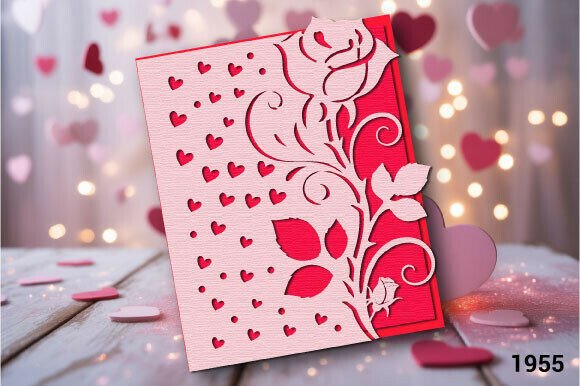
As a brand designer and content marketer, my first interaction with a new graphic design asset is always critical. I am not just looking at shapes; I am evaluating potential audience perception and emotional resonance. Upon opening the Rose Heart Valentine Card SVG Layer 1955, the immediate impression was one of refined romance. This is not a cluttered or overly childish clipart; it is a sophisticated piece of creative design that balances intricate detail with clean lines. The mood it creates is intimate yet professional, making it highly suitable for premium visuals, handmade product branding, and lifestyle content that requires a touch of elegance without appearing messy.
Elevating Brand Identity Through Seasonal Visuals
In the context of a real marketing project, imagine a small business owner launching a limited-edition skincare line or a boutique chocolate shop preparing for Valentine S Day. The goal is to refresh social media visuals and create a cohesive content kit that stands out in a saturated feed. The Rose Heart Valentine Card SVG Layer 1955 fits perfectly into this workflow. Because it is a 3D SVG, it offers depth that flat images often lack. When used in packaging design or on a product label, the layered nature of the file allows for physical papercut effects or shadowed digital overlays that suggest high quality.
For small business branding, consistency is key. This asset supports stronger first impressions by providing a clear visual hierarchy. When placed as a hero graphic on a website header or an email banner, it draws the eye immediately to the seasonal offer without overpowering the call-to-action text. The romantic floral elements foster an emotional connection, which is essential for improving audience trust and driving engagement during gift-giving seasons. It transforms standard marketing visuals into something that feels curated and thoughtful, reinforcing the idea that the brand cares about aesthetics and detail.
Versatility Across Digital and Print Campaigns
The true value of a digital product like this lies in its versatility. In my review, I tested how the Rose Heart Valentine Card SVG Layer 1955 performs across various mediums. For social media graphics, particularly Instagram posts and Pinterest pins, the intricate cut-file style works beautifully against solid backgrounds or subtle textures. It serves as an excellent decorative brand element for editorial layouts in blog graphics or as a focal point for Facebook ads promoting a seasonal sale.
Furthermore, for those creating Canva templates or printable promotions, this SVG design is a goldmine. It can be scaled infinitely without losing resolution, making it ideal for everything from large event flyers and posters to small merchandise stickers. The two-layered structure mentioned in the product description allows designers to separate the rose details from the heart shape, offering flexibility in color application. This adaptability ensures that the asset can support diverse campaign visuals, from bold, colorful digital ads to monochromatic, minimalist web design elements.
Strategic Placement for Maximum Impact
To maximize the return on investment for this design bundle, strategic placement is necessary. The asset works best as a campaign header or a product launch visual where it has room to breathe. It shines in branded templates for lead magnets or media kits where a touch of sophistication is required. Using it as a packaging accent on a box lid or a thank-you card insert adds a tangible sense of luxury to the unboxing experience. In these scenarios, the Rose Heart Valentine Card SVG Layer 1955 acts as more than just decoration; it becomes a symbol of the brand's commitment to quality.
However, there are situations where this asset should be used carefully. In formal corporate branding where strict minimalism is the rule, the ornate nature of the roses might feel out of place. Similarly, in dense information layouts or text-heavy ads, the detailed lines could compete with the main message, reducing readability. On very small mobile graphics, the fine details of the 3D SVG might blur if not optimized correctly. It is also crucial to avoid low-contrast backgrounds where the delicate lines of the illustration might get lost, diminishing the professional appearance of the ad.
Practical Notes for Designers and Marketers
Before integrating this graphic design asset into a paid campaign or client work, several practical steps are essential. First, test the design with your specific brand color palette. While the default look is romantic, changing the hues to match your brand identity can make it feel native rather than generic. Check its usage in black and white to ensure it retains its form without color reliance. Always place the asset inside real campaign mockups to see how it interacts with photography and typography.
Typography pairing is another critical factor. This illustration pairs exceptionally well with elegant serif fonts that mirror its classic vibe, but it can also create a modern contrast when paired with clean sans serif fonts. Avoid overly busy script fonts that might clash with the intricate details of the roses. Review the spacing and balance around the image to maintain a clean layout. Most importantly, confirm the commercial license terms. Ensure you have the rights to use this commercial design in client projects, merchandise for resale, or broad digital advertising campaigns.
Ultimately, the Rose Heart Valentine Card SVG Layer 1955 is a powerful tool for content creators and creative entrepreneurs. It bridges the gap between artistic expression and commercial viability. By enhancing visual consistency and providing a memorable aesthetic, it helps brands cut through the noise of the creative marketplace. Whether used for a printable design sold on Etsy or a high-end editorial design for a fashion blog, this asset delivers the professional branding needed to succeed in today's visual-first economy.